
Medically reviewed by David B. Samadi, MD | Last Reviewed: June 2026 | Last Updated: June 2026
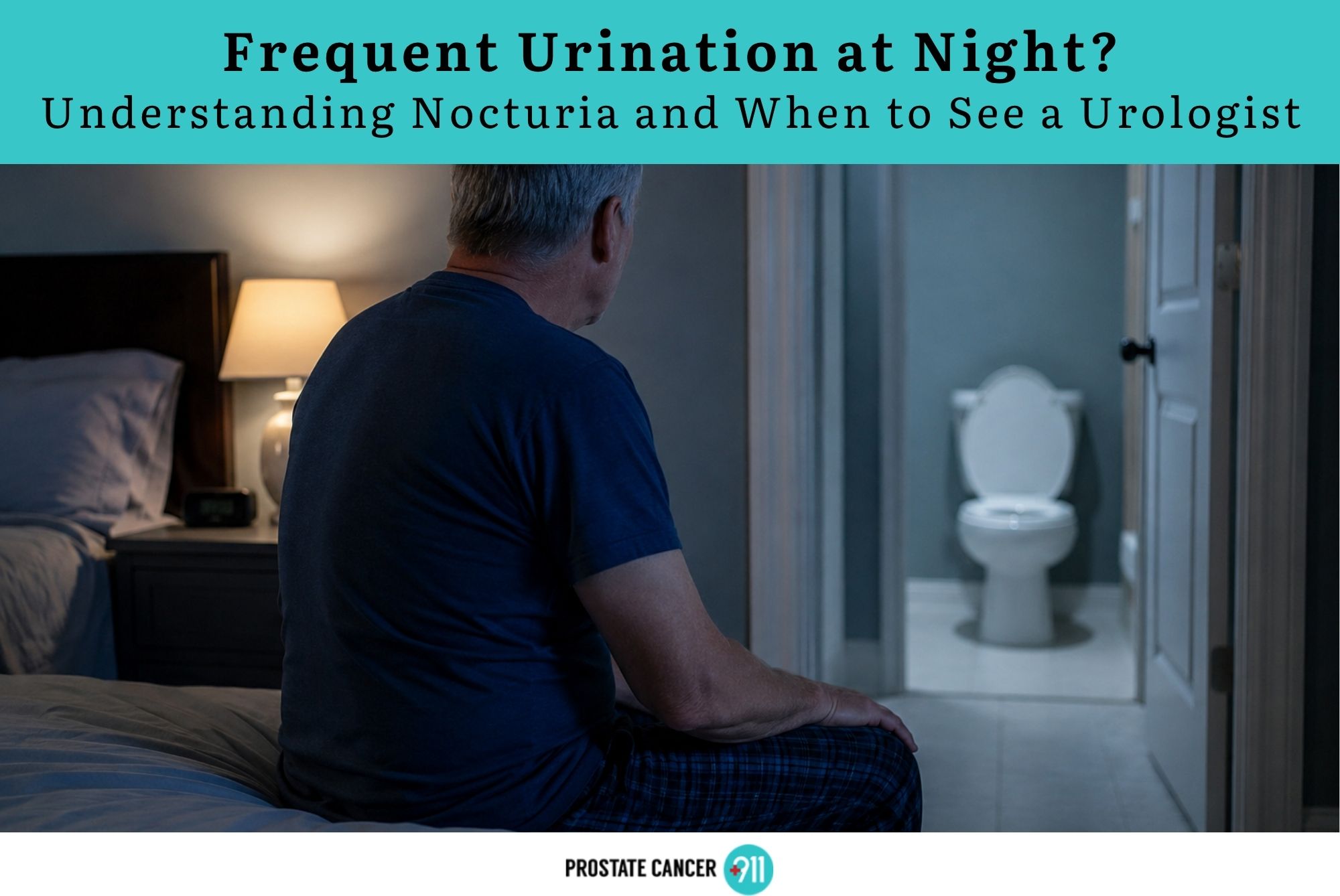 Waking up once in a while to use the bathroom may not seem unusual. However, if you’re getting out of bed multiple times each night to urinate, it could be a sign of nocturia, a common condition that affects millions of men and significantly impacts sleep quality, energy levels, and overall health.
At Prostate Cancer 911, we help men identify the underlying causes of urinary symptoms and develop personalized treatment plans to improve quality of life while ruling out more serious conditions, including prostate cancer. If nighttime urination has become part of your nightly routine, it’s important to understand what’s causing it and when it’s time to seek expert care.
What Is Nocturia?
Nocturia is the medical term for waking up during the night one or more times to urinate. While getting up once occasionally may be considered normal—especially as people age—waking two or more times every night on a regular basis is generally considered abnormal and may indicate an underlying medical condition.
Unlike bedwetting or urinary incontinence, individuals with nocturia awaken because they feel the need to empty their bladder.
How Common Is Nocturia?
Nocturia becomes increasingly common with age, particularly in men over 50. However, it is not simply a normal part of aging. Many men assume they have to “live with it,” when in reality, effective treatments are available.
Frequent nighttime urination can contribute to:
- Chronic fatigue
- Poor sleep quality
- Daytime sleepiness
- Difficulty concentrating
- Mood changes
- Increased risk of falls in older adults
- Reduced quality of life
Ignoring these symptoms can delay diagnosis of conditions that require medical attention.
What Causes Frequent Urination at Night?
Nocturia is a symptom—not a disease itself. Identifying the underlying cause is the key to successful treatment.
Enlarged Prostate (Benign Prostatic Hyperplasia – BPH)
One of the most common causes of nocturia in older men is an enlarged prostate.
As the prostate enlarges, it compresses the urethra, making it more difficult for the bladder to empty completely. This leads to:
- Frequent urination
- Weak urine stream
- Urgency
- Difficulty starting urination
- Feeling that the bladder never completely empties
- Increased nighttime bathroom trips
Although BPH is not cancer, its symptoms often overlap with those of prostate cancer, making proper evaluation essential.
Prostate Cancer
While nocturia alone does not necessarily indicate prostate cancer, urinary symptoms should never be ignored.
Some men with prostate cancer experience:
- Frequent urination
- Difficulty urinating
- Weak urine flow
- Blood in the urine
- Blood in semen
- Pelvic discomfort
- Bone pain (advanced disease)
Because early prostate cancer often causes few symptoms, routine screening and evaluation are critical.
Overactive Bladder (OAB)
An overactive bladder causes sudden urges to urinate, even when the bladder isn’t full.
Symptoms include:
- Urinary urgency
- Frequent urination
- Urge incontinence
- Nighttime urination
Diabetes
High blood sugar causes the kidneys to produce more urine, increasing urinary frequency during both the day and night.
Other signs include:
- Excessive thirst
- Increased hunger
- Fatigue
- Unexplained weight loss
- Blurred vision
For some men, nocturia is one of the earliest signs of undiagnosed diabetes.
Urinary Tract Infection (UTI)
Although urinary tract infections are less common in men, they can cause:
- Burning during urination
- Frequent urination
- Urgent need to urinate
- Cloudy urine
- Pelvic discomfort
UTIs should always be evaluated promptly.
Excess Fluid Intake Before Bed
Sometimes lifestyle habits contribute to nocturia.
Common culprits include:
- Drinking large amounts of water before bedtime
- Alcohol
- Coffee
- Tea
- Energy drinks
- Soda containing caffeine
Reducing evening fluid intake may improve symptoms.
Sleep Disorders
Sleep apnea is strongly associated with nocturia.
People with untreated obstructive sleep apnea often wake multiple times during the night, sometimes believing they need to urinate when sleep disruption is actually the primary issue.
Signs include:
- Loud snoring
- Daytime fatigue
- Morning headaches
- Pauses in breathing during sleep
Heart and Kidney Conditions
Conditions affecting circulation or kidney function can cause fluid to accumulate in the legs during the day. When lying down at night, that fluid returns to circulation and is filtered by the kidneys, increasing urine production.
Certain Medications
Some medications contribute to nighttime urination, including:
- Diuretics (“water pills”)
- Certain blood pressure medications
- Medications that increase urine production
A healthcare provider can determine whether medication adjustments are appropriate.
Symptoms That May Accompany Nocturia
In addition to waking frequently at night, men may notice:
- Weak urine stream
- Dribbling after urination
- Difficulty starting urination
- Frequent daytime urination
- Urinary urgency
- Painful urination
- Blood in urine
- Pelvic pain
- Lower back discomfort
- Feeling that the bladder never empties
These symptoms deserve evaluation by a urologist.
How Is Nocturia Diagnosed?
A comprehensive evaluation helps determine the root cause.
Your urologist may recommend:
Medical History
Your provider will discuss:
- Urination patterns
- Fluid intake
- Medications
- Medical conditions
- Sleep habits
- Family history
Physical Examination
This may include:
- Abdominal examination
- Digital rectal exam (DRE)
- Prostate evaluation
Urinalysis
Urine testing can identify:
- Infection
- Blood
- Diabetes
- Kidney disease
Blood Tests
Testing may include:
- PSA (Prostate-Specific Antigen)
- Kidney function
- Blood sugar
- Electrolytes
Bladder Ultrasound
Imaging measures:
- Bladder emptying
- Residual urine
- Prostate enlargement
Uroflow Testing
Measures:
- Urine flow rate
- Obstruction
- Bladder function
Additional Imaging
When appropriate, your physician may recommend:
- MRI
- CT scan
- Cystoscopy
- Prostate imaging
Treatment Options for Nocturia
Treatment depends on the underlying cause.
Lifestyle Changes
Simple adjustments may include:
- Limiting evening fluids
- Reducing caffeine
- Avoiding alcohol before bedtime
- Elevating legs before bed if swelling is present
- Maintaining a healthy weight
- Improving sleep habits
Medications
Depending on the diagnosis, medications may help treat:
- Enlarged prostate (BPH)
- Overactive bladder
- Diabetes
- Infection
- Hormonal imbalances
Minimally Invasive Procedures
For men with enlarged prostates, minimally invasive treatments may improve urinary symptoms while reducing recovery time.
Surgery
In more advanced cases of BPH or prostate disease, surgery may provide long-term relief.
When Should You See a Urologist?
You should schedule an evaluation if you experience:
- Waking two or more times nightly to urinate
- Frequent urination lasting several weeks
- Weak urine stream
- Difficulty emptying your bladder
- Blood in urine
- Pain with urination
- Recurrent urinary tract infections
- Elevated PSA levels
- Family history of prostate cancer
- Significant changes in urinary habits
Early evaluation allows many conditions to be treated before complications develop.
Can Nocturia Be Prevented?
Although not every cause is preventable, you can reduce your risk by:
- Staying physically active
- Maintaining a healthy weight
- Managing diabetes and high blood pressure
- Limiting caffeine and alcohol in the evening
- Avoiding excessive fluids before bedtime
- Scheduling routine prostate evaluations
- Seeking prompt care for new urinary symptoms
Why Choose Prostate Cancer 911?
At Prostate Cancer 911, we understand that urinary symptoms can be frustrating, disruptive, and sometimes alarming. Our experienced team provides comprehensive evaluations using advanced diagnostic technology to identify the cause of your symptoms and develop personalized treatment plans.
Whether your symptoms are related to benign prostate enlargement, overactive bladder, infection, or concerns about prostate cancer, our goal is to provide expert, compassionate care while helping you maintain your health and quality of life.
Don’t ignore frequent nighttime urination. Early diagnosis often leads to more effective treatment and greater peace of mind.
Frequently Asked Questions (Q&A)
Is it normal to urinate multiple times every night?
No. While waking once occasionally may be normal, waking two or more times every night should be evaluated by a healthcare provider.
Can nocturia be a sign of prostate cancer?
It can be, although benign conditions like BPH are much more common. Because symptoms overlap, proper evaluation is important.
Does drinking water before bed cause nocturia?
Excessive evening fluid intake can contribute, but persistent nocturia often has an underlying medical cause.
Can an enlarged prostate cause nighttime urination?
Yes. Benign prostatic hyperplasia (BPH) is one of the leading causes of nocturia in older men.
What tests diagnose nocturia?
Your urologist may recommend a physical exam, urinalysis, PSA testing, blood work, bladder ultrasound, urine flow studies, and other imaging if needed.
Can diabetes cause frequent nighttime urination?
Yes. Elevated blood sugar causes the kidneys to produce more urine, increasing both daytime and nighttime urination.
Will reducing caffeine help?
For many men, limiting caffeine and alcohol—especially in the evening—can reduce urinary frequency.
Can sleep apnea cause nocturia?
Yes. Untreated obstructive sleep apnea is strongly linked to nighttime urination.
When should I worry about urinary symptoms?
If you notice persistent urinary frequency, blood in the urine, pain, difficulty urinating, or elevated PSA levels, schedule a urologic evaluation promptly.
Is nocturia treatable?
Yes. Most cases improve significantly once the underlying cause is identified and appropriately treated.
Contact Prostate Cancer 911
Prostate Cancer 911
485 Madison Ave #21st
New York, NY 10022
Phone: (212) 365-5000
Website: https://prostatecancer911.com
Request An Appointment: https://prostatecancer911.com/appointments/