
Bladder Cancer and Kidney Cancer Care in New York, NY
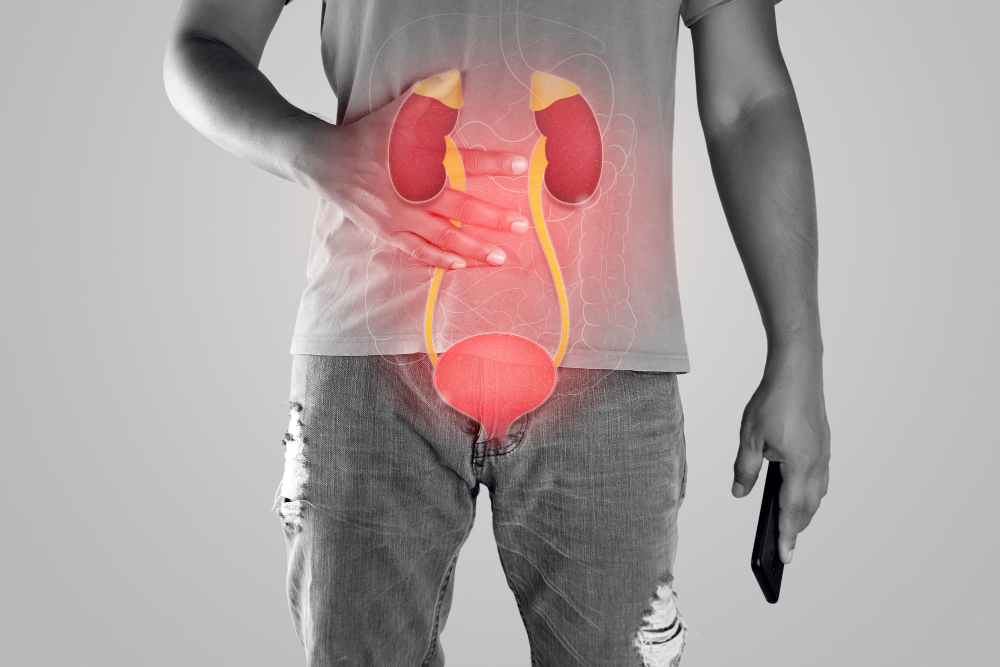
The bladder and kidneys work together to filter and store urine, and cancers in either organ can be serious if not caught early. Both are more common in men and in smokers, and both can be quiet in their early stages. At Prostate Cancer 911, urologic oncologist Dr. David Samadi provides expert diagnosis and minimally invasive treatment for bladder and kidney cancer in Midtown Manhattan. This guide explains how each cancer develops, the warning signs, and the advanced treatments available.
Understanding Bladder Cancer
What Is Bladder Cancer?
Bladder cancer starts in the cells lining the inside of the bladder. Most cases are urothelial carcinoma. It is classified as non-muscle-invasive when it stays in the inner lining, or muscle-invasive when it grows into the bladder’s muscular wall.
Causes and Risk Factors
Smoking is the leading cause, responsible for about half of all cases. Other risk factors include exposure to industrial chemicals used in dye, rubber, paint, and leather manufacturing, older age, male sex, chronic bladder irritation, and prior pelvic radiation.
Survival Rates
When bladder cancer is limited to the inner lining, five-year survival is about 97%. Survival declines as cancer invades deeper or spreads, which makes early evaluation of any warning signs essential.
Common Symptoms
- Blood in the urine, often painless and intermittent
- Frequent, urgent, or painful urination
- Pelvic or lower back pain in later stages
Diagnosis and Cystoscopy
Cystoscopy allows the urologist to look directly inside the bladder with a thin camera. Suspicious tumors are removed and examined through TURBT, and CT imaging evaluates the rest of the urinary tract.
Advanced Robotic Treatment
Early tumors are treated with TURBT and bladder instillations such as BCG. Muscle-invasive cancer is often treated with chemotherapy followed by robotic cystectomy. Learn more on our bladder cancer treatment page.
Understanding Kidney Cancer
How Kidney Cancer Develops
The most common type of kidney cancer is renal cell carcinoma, which begins in the lining of the tiny tubules that filter blood. Many kidney tumors are found incidentally on an ultrasound or CT scan performed for another reason, often while they are still small and highly treatable.
Risk Factors and Symptoms
Risk factors include smoking, obesity, high blood pressure, chronic kidney disease and long-term dialysis, and certain inherited syndromes. Many patients have no symptoms. When symptoms occur, they may include blood in the urine, pain in the side or back, a mass in the abdomen, fatigue, or unexplained weight loss.
Detection and Kidney Cancer Treatment
Kidney tumors are evaluated with CT or MRI. Treatment options include:
- Active surveillance for small, slow-growing tumors
- Robotic partial nephrectomy to remove the tumor while preserving the rest of the kidney
- Radical nephrectomy to remove the entire kidney for larger tumors
- Ablation to destroy small tumors with heat or cold
- Immunotherapy and targeted therapy for advanced disease
Learn more on our kidney cancer page.
Why Choose Dr. David Samadi in New York City?
Dr. Samadi completed his urologic oncology fellowship at Memorial Sloan Kettering and is trained in open, laparoscopic, and robotic surgery. His expertise allows many bladder and kidney cancer patients to benefit from minimally invasive treatment with faster recovery. Explore urologic oncology at Prostate Cancer 911, or call (212) 365-5000 to schedule a consultation.
Related Care and Resources at Prostate Cancer 911
Bladder and Kidney Cancer FAQs
What is the most common symptom of bladder and kidney cancer?
Blood in the urine is the most common warning sign of both cancers and should always be evaluated by a urologist.
Does smoking increase the risk of bladder and kidney cancer?
Yes. Smoking is the leading risk factor for bladder cancer and a significant risk factor for kidney cancer.
How are kidney tumors usually found?
Many kidney tumors are found by chance on imaging performed for unrelated reasons, often while still small and treatable.
Can kidney cancer be treated without removing the whole kidney?
Yes. A robotic partial nephrectomy removes only the tumor and preserves healthy kidney tissue whenever possible.
How is bladder cancer diagnosed?
Bladder cancer is diagnosed with cystoscopy, urine tests, and imaging, and confirmed by removing and examining the tumor through TURBT.
Can bladder cancer come back after treatment?
Yes. Bladder cancer frequently recurs, so regular surveillance cystoscopy is an important part of follow-up care.
How do I schedule an evaluation?
Call (212) 365-5000 or request an appointment with Dr. Samadi.

Schedule Your Consultation With NYC’s Leading Urologist
Take control of your health today. Whether you are seeking a second opinion or experiencing symptoms like hematuria, Dr. David Samadi and the team at Prostate Cancer 911 are here to provide world-class care in Midtown Manhattan.
Request an AppointmentOffice Location: 485 Madison Ave, 21st Floor, New York, NY 10022
Phone: (212) 365-5000